



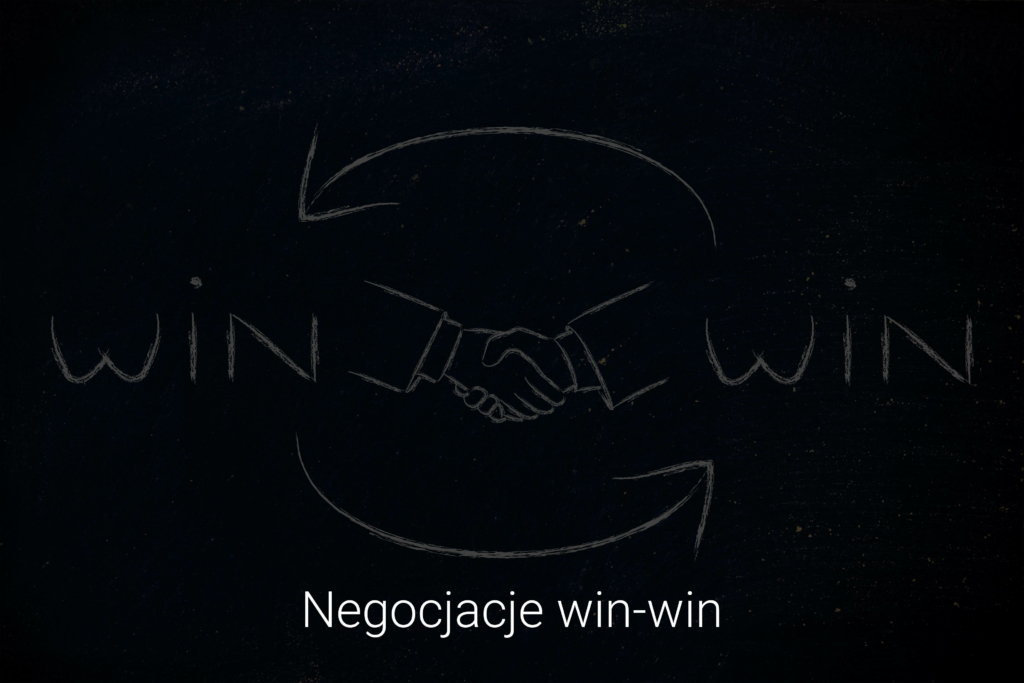

The term “win-win negotiation” was coined in the 1980s. It describes a negotiation process that results in a win-win outcome for all participants in a business conversation. What exactly is win-win negotiation? Read on for a brief explanation of the term.
Winning and losing in business negotiations
Back in the 1970s, once the business negotiation process was over, it was easy to identify a winner and a loser. After all, a negotiation was a contest between two parties that always ended in victory for one of them.
In the early 1980s, a new negotiation trend emerged. It emerged that the business negotiation process could take place in a spirit of cooperation, and that the goal developed could meet the expectations of both parties. The essence of the new approach is the willingness to solve problems together and to seek converging objectives. The parties to a “win-win” negotiation are characterised by openness and flexibility. These are necessary qualities for achieving long-term goals and building sustainable market advantages.
Mutual benefit vs. equal benefit
Is business negotiations conducted in a win-win spirit to ensure that both parties benefit equally? Of course not. Firstly, because it is an extremely difficult task. And secondly, because the participants in a negotiation often have very different expectations.
Therefore, one of the most important tasks of negotiators is to know the needs of the other side in detail and to adapt the level of possible concessions to them.
Key importance of negotiating experience
Numerous studies show that negotiators attach importance not only to the outcome of the talks, but also to the way in which it was arrived at. Negotiators are more likely to reach a compromise if they are the authors of at least part of the solution. When all proposals come from one - usually the stronger - side, it is very difficult or even impossible to achieve mutual satisfaction.
Therefore, openness, interest and active listening are often crucial in win-win negotiations. It is only with this attitude that it is possible not only to draw the other party into the process of achieving the goal.
Finally, a technical note. Negotiations win-wins require the negotiator leading them to have an excellent ability to manage the agenda of the process. It must be structured in such a way as to ensure that both parties are able to present their own needs and suggested solutions. An agenda prepared in this way must be strictly adhered to. Failure to do so may result in a loss of commitment from one of the parties and, consequently, a loss of satisfaction with the negotiated contract.











 Polish
  English