



At previous entry we have explained what the circular economy is and how implementing this philosophy can affect a company's existing operations. However, the topic of the circular economy is complex, broad and affects many areas. Therefore, this time we will focus on the role of secondary resources throughout the cycle.
What role do secondary resources play in the closed loop of the economy? How can they be consumed within their own structures to support project objectives?
Ambitious recycling levels and eco-design
The key elements of the revolving economy project are:
- Ambitious recycling management (ambitious recycling rate)
- Creative use of used products, finding new uses for them and
To be able to achieve the first objective, it is necessary to stabilise the development of the market for secondary resources that come from waste recycling. It is this market that is to be the engine of all activities leading to increased recycling, waste separation or the use of whole or semi-finished products without the need for processing. The European Commission has estimated that up to 400 000 new jobs could be created across the European Union through ambitious recycling and eco-design.
The potential of the entire circular economy carries up to 2 million new jobs. This includes the changes in company structures and business models mentioned in the previous article, as well as the eco-design model.
Barriers to the development of a circular economy
Unfortunately, despite the right assumptions, it is not only in companies that fundamental changes are needed. The entire waste management in the EU requires it. One of the main obstacles standing in the way of a dynamic introduction of changes within the circular economy, is the still present and thriving import of waste to countries outside the European Union, where its disposal is much cheaper than processing and recycling in EU countries. This in turn brings with it increasing pollution, which the EC wants to stop precisely by introducing a circular economy. Protecting domestic markets for secondary raw materials would only be possible once Europe has harmonised environmental levies for waste exports, BREF standards, as well as banning the import of waste to incinerators and landfills.
Where does the circular economy begin?
We already mentioned in an earlier post that the implementation of a closed loop to support the circular economy starts at the design stage. This means that if you want to follow the circular economy, you need to take it into account at the concept stage and introduce eco-design. This is where the whole process begins, which must be sustained throughout the the supply chain path, until it is reprocessed.
In order to be well prepared for the selection of suppliers supporting the idea of a circular economy, it is therefore necessary to know their internal processes meticulously. This can be facilitated by both the appropriate audit of suppliers, as well as business training for contract negotiation teams.
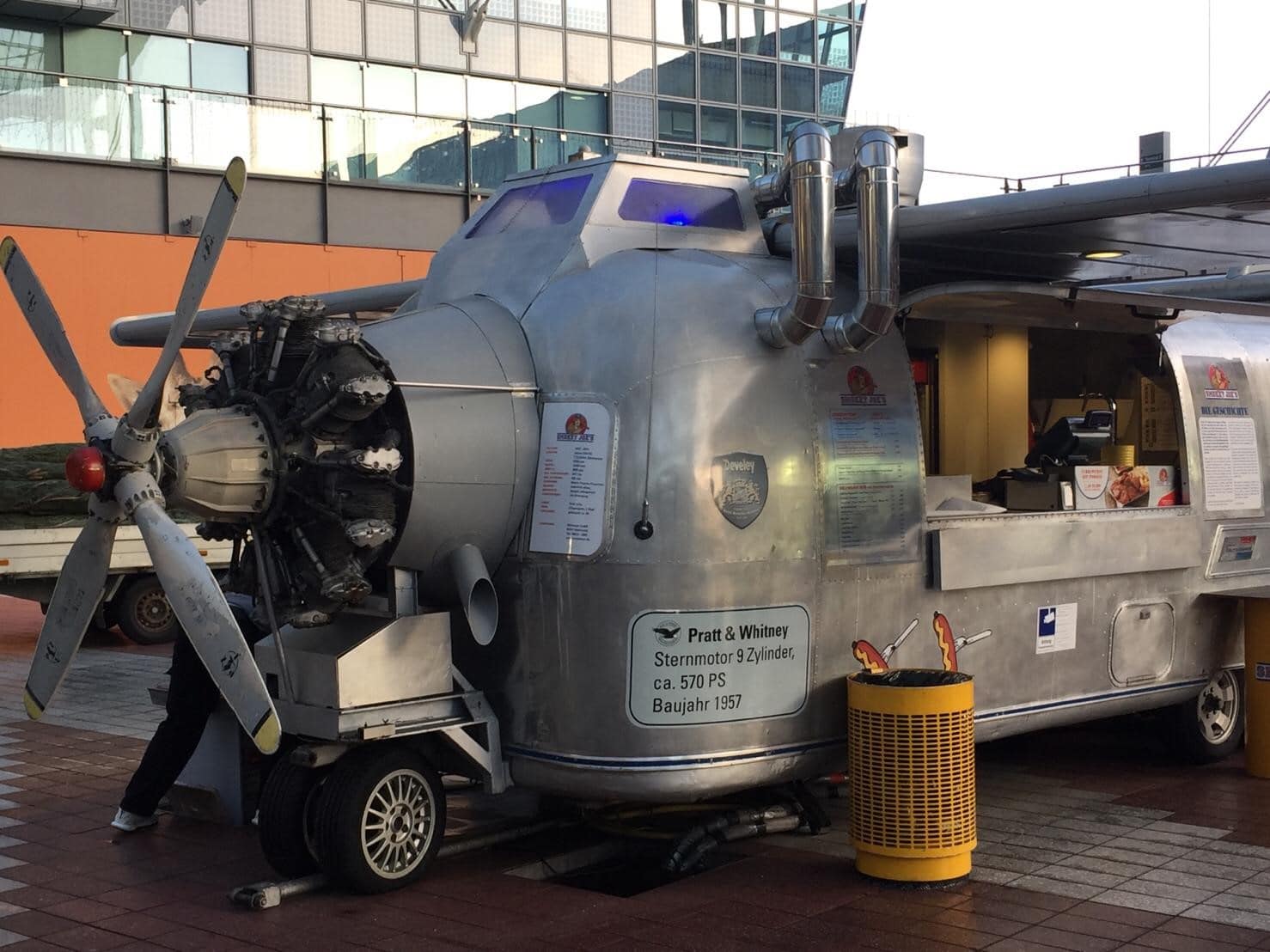 The secondary market in the circular economy - creative use of products for purposes other than those originally intended






 Polish
  English