





When reviewing the offerings of business advisory firms, we may often come across the separate services of negotiation on behalf of and mediation. Although we more often associate mediation with the legal field, in business it can be one element of negotiation. However, there are differences between mediation and negotiation. It is worth knowing them in order to better identify the needs of a business.
Brief characteristics of negotiations
Negotiations, regardless of their type and strategy, aim to reach a consensus between the two parties in establishing the scope of cooperation. Usually, the objective of the negotiation is to finalise the contract to the satisfaction of both parties.
We have already written many publications on the topic of negotiation, its types, strategies and how to conduct it. You can find them in the posts below:

The future of negotiation: How advanced techniques are driving business benefits
Read entry →
5 good times to raise prices to the customer
Read entry →
Summary of the 3rd Negotiation and Mediation Tournament for Business
Read entry →
10 questions before negotiating with trade unions
Read entry →
The 6 most important aspects for an IT procurement strategy
Read entry →
Preparing for a negotiation - 4 mistakes
Read entry →
Build youth business maturity through negotiation training
Read entry →
Negotiations
Read entry →
Can negotiation demotivate your team?
Read entry →
Increasing profitability during the crisis
Read entry →
Business addiction and purchasing strategy
Read entry →
Team negotiations - what is worth paying attention to?
Read entry →
What does multilateral negotiation consist of?
Read entry →
Why introduce purchasing training for employees?
Read entry →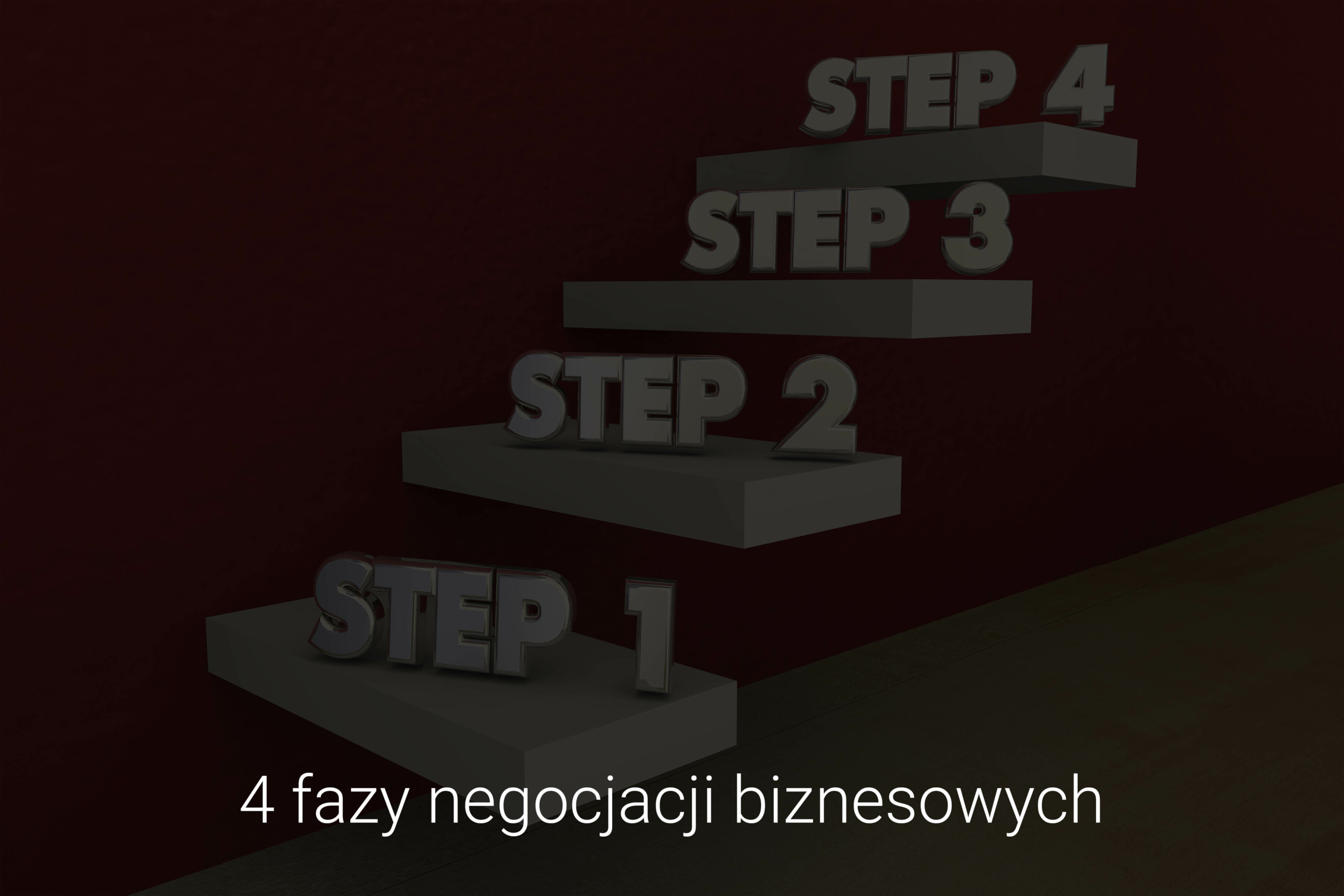
4 phases of business negotiations
Read entry →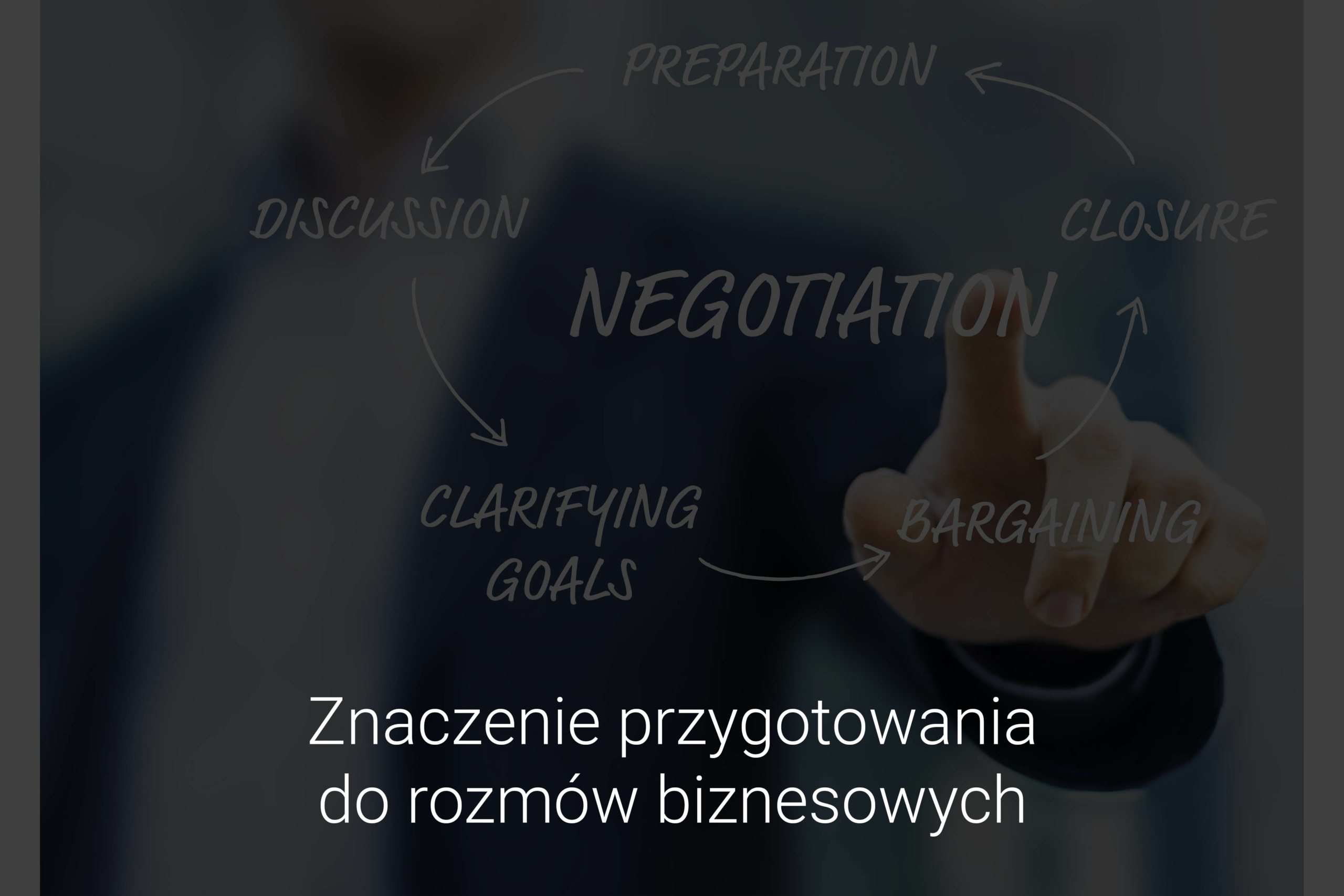
The importance of preparing for business talks
Read entry →
Negotiation styles - substantive negotiation
Read entry →
Win-win negotiations„
Read entry →
The Harvard model of negotiation - what is it?
Read entry →
5 popular negotiation strategies part 2
Read entry →
5 popular negotiation strategies part 1
Read entry →
Price negotiation - characteristics
Read entry →
Negotiation games, or practice makes perfect
Read entry →
Negotiation scenario - 4 basic points
Read entry →
Business negotiation training - highlights of the scope
Read entry →
Most interesting examples of negotiation myths
Read entry →
How to choose the best negotiation training?
Read entry →
Is it worth providing business training for buyers?
Read entry →
Business negotiation - positional negotiation
Read entry →
Business negotiations - international negotiations
Read entry →
Business negotiations - preparing for negotiations
Read entry →
Business negotiations - negotiating styles
Read entry →
Negotiation training - are you sure you need it
Read entry →
Remote negotiation - what it is and who needs it
Read entry →
Expert negotiation - what is it and what makes it different?
Read entry →
Business negotiation - an art in itself or a matter of practice?
Read entry →
E-360′ - a tool for continuous development and monitoring the effectiveness of the implementation of the knowledge acquired
Read entry →
The dangers of e-auctions - how to deal with them?
Read entry →
Why is it important to have good negotiators?
Read entry →
Negotiation training - how to make it as effective as possible?
Read entry →
Purchasing process optimisation - trends for 2019 part I
Read entry →
Negotiating „on behalf of”
Read entry →
CorpoDeal, the unobvious training for salespeople
Read entry →
Anxiety is the enemy of business negotiations - how to deal with it?
Read entry →
Business negotiations - objectives versus supplier relations
Read entry →
How to deal with back door selling
Read entry →
Eveneum at the „XI Shopping Forum” - Backdoor Selling
Read entry →
Back door selling, or business negotiation without negotiation
Read entry →A negotiation involves two parties negotiating terms between themselves - the customer and the seller. Sometimes negotiations may be conducted on behalf of a party by an external company if the contract requires it or the party does not have a sufficiently qualified team.
Characteristic of negotiations is the dialogue between the parties. It is during the joint dialogue that expectations and opportunities are presented and conditions set.
Differences between negotiation and mediation
Mediation, on the other hand, aims to resolve a dispute. Such disputes may arise either at the negotiation stage (although then it is more common to end up breaking off negotiation talks rather than involving a mediator) or during the course of a contract or as a result of other interactions between the conflicting parties.
Business mediation begin when the two parties to the conflict are unable to come to an agreement on their own. This is when the intervention of a third party who approaches the subject objectively and is not directly involved, impartial and neutral, is necessary. The signal on the basis of which the decision to involve a mediator should be taken is when the dialogue characteristic of negotiation becomes impossible and instead of leading to an agreement, it only exacerbates the dispute.
Mediation can be conducted with both parties to the conflict simultaneously or in separate sessions on an intermediary basis. The mediator's assistance is primarily aimed at stopping the deepening of the dispute, clarifying mutual expectations, possibilities and reaching an agreement.
CHECK OUT UPCOMING TRAINING COURSES










 Polish
  English